
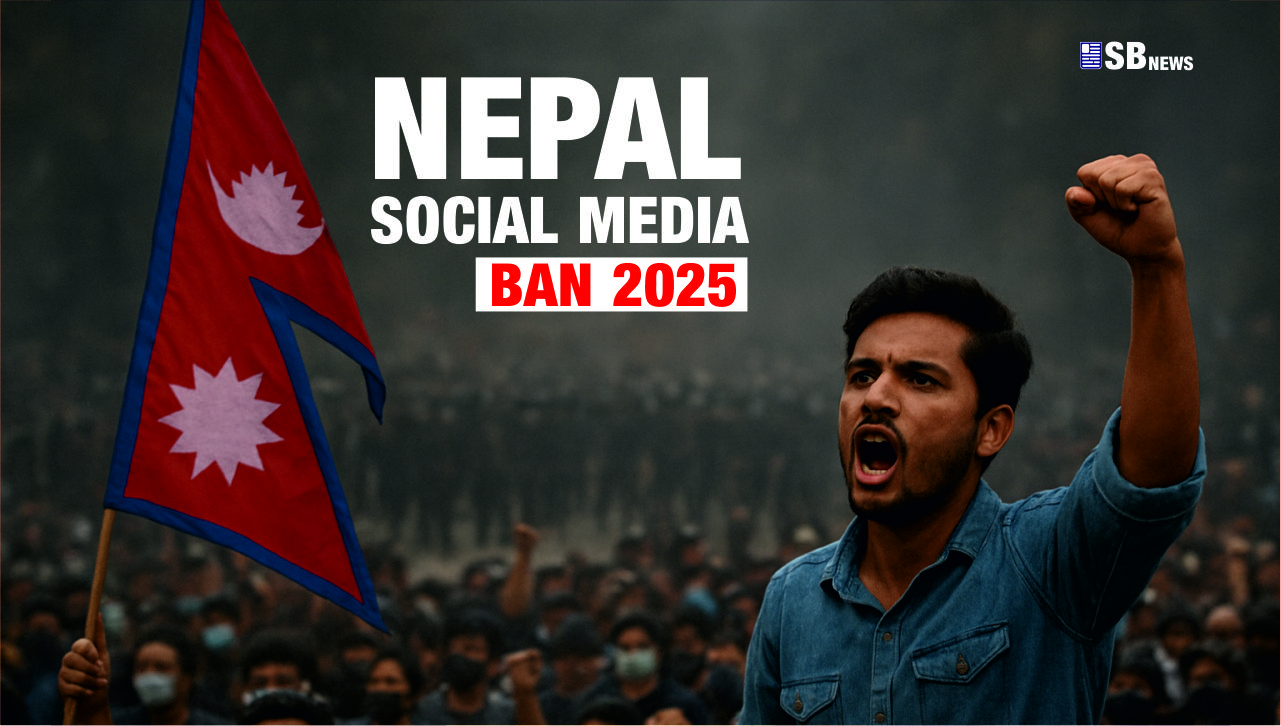
Nepal Social Media Ban: Introduction
Nepal has lifted its controversial social media ban after nationwide protests led mainly by Gen Z youth turned violent, leaving at least 19 people dead and hundreds injured. The sudden reversal came just days after the government blocked access to dozens of popular platforms, sparking outrage and unrest across the country.
Why Did Nepal Impose a Social Media Ban?
On September 4, 2025, the government blocked 26 major platforms including Facebook, WhatsApp, Instagram, YouTube, X (formerly Twitter), LinkedIn, Snapchat, Signal, and Reddit. Officials argued that these platforms had failed to comply with new rules requiring local registration and oversight.
Authorities claimed the ban was meant to curb misinformation and ensure accountability. However, the decision was met with anger and disbelief among the public, who saw it as a direct attack on freedom of expression and digital rights.
The Rise of Gen Z Protests
The ban ignited a wave of protests led largely by young Nepalis, especially Gen Z, who organized rallies despite the restrictions on online communication. Demonstrations erupted in Kathmandu and other major cities, quickly gaining momentum.
What started as frustration over the ban soon evolved into broader demands: an end to corruption, greater accountability from leaders, and more opportunities for young people. Crowds gathered near the Parliament building, and in some cases, confrontations escalated into attempts to breach security barriers and damage government property.
When Violence Escalated
Security forces responded with heavy force, deploying tear gas, rubber bullets, water cannons, and even live ammunition against demonstrators. By September 8, the crackdown had turned deadly, with at least 19 people killed and many more injured.
Images of young protesters carrying national flags and chanting for change spread across international media, framing the moment as one of the most significant youth-led uprisings in Nepal’s recent history.
Government’s Sudden Reversal
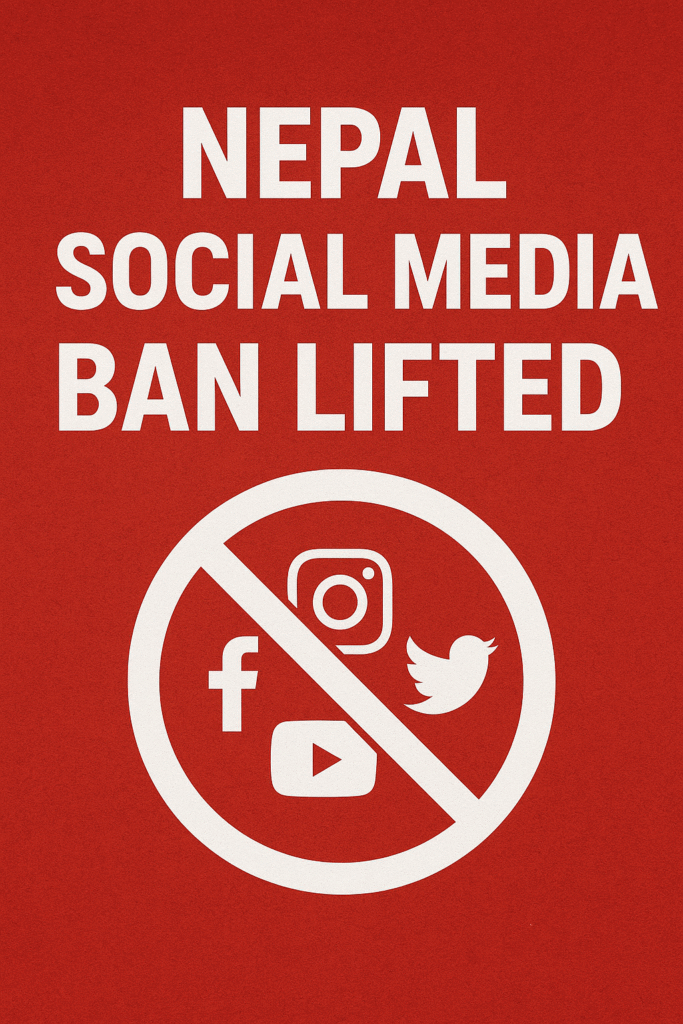
Facing mounting pressure, the government made a dramatic U-turn. On September 9, the ban on all blocked platforms was lifted. Officials stated the decision followed court directives and widespread public backlash.
Prime Minister K.P. Sharma Oli expressed condolences for the loss of life, announced compensation for victims’ families, promised free medical care for the injured, and ordered a high-level investigation panel to report within 15 days.
Political Fallout
The crisis triggered a series of political resignations. Home Minister Ramesh Lekhak stepped down, taking responsibility for the violence, followed by the resignations of the Agriculture and Health Ministers.
Meanwhile, an indefinite curfew was imposed in Kathmandu and several districts to prevent further clashes. Schools and public institutions were temporarily shut down.
Global Reactions and Concerns
International media highlighted the unrest as a clash between state authority and youth-driven digital freedom. Human rights organizations condemned the use of lethal force against peaceful protesters and called for an impartial investigation.
Neighboring countries and global watchdogs urged Nepal’s leaders to uphold democratic values, respect free speech, and ensure accountability.
What This Means for Nepal’s Future
The Nepal Social Media Ban has become more than just a digital policy—it symbolizes a larger struggle for democratic rights, transparency, and generational change.
Moving forward, the government may attempt to introduce new regulations on online platforms, but the protests have shown that the country’s youth are unwilling to accept limits on free expression. For many, this moment represents a turning point in Nepal’s political and social landscape.
Conclusion
The lifting of the Nepal Social Media Ban came at a tragic cost, with lives lost and trust in government shaken. Yet it also marked the emergence of a new wave of civic activism, led by young people demanding accountability and freedom.
The events of September 2025 have left a clear message: in Nepal, the voices of its youth cannot be silenced, online or offline.
Disclaimer
This article is intended for informational and educational purposes only. All facts presented are based on publicly available news reports and reliable sources at the time of writing. While every effort has been made to ensure accuracy, we do not claim complete authority over the subject. Readers are encouraged to verify information independently and follow official government statements for the latest updates.
Know about More Information in Nepal-Click
यह लेख केवल सूचनात्मक और शैक्षिक उद्देश्यों के लिए है। प्रस्तुत सभी तथ्य लेखन के समय सार्वजनिक रूप से उपलब्ध समाचार रिपोर्टों और विश्वसनीय स्रोतों पर आधारित हैं। यद्यपि सटीकता सुनिश्चित करने का हर संभव प्रयास किया गया है, फिर भी हम इस विषय पर पूर्ण अधिकार का दावा नहीं करते हैं। पाठकों को सलाह दी जाती है कि वे जानकारी की स्वतंत्र रूप से पुष्टि करें और नवीनतम अपडेट के लिए आधिकारिक सरकारी बयानों का पालन करें।
May You Also Like.
FAQ.
1. Why did Nepal impose a social media ban in 2025?
Nepal imposed the ban on September 4, 2025, blocking 26 major platforms including Facebook, WhatsApp, Instagram, YouTube, and X. The government claimed the platforms failed to comply with new rules requiring local registration and oversight. Critics, however, saw the move as an attack on free speech.
2. Which social media platforms were banned in Nepal?
The ban covered widely used platforms such as Facebook, WhatsApp, Instagram, YouTube, X (formerly Twitter), LinkedIn, Snapchat, Signal, Reddit, and several others.
3. How did the public react to the Nepal social media ban?
The ban triggered mass protests, led mostly by Gen Z youth. What began as opposition to the ban quickly grew into a larger movement against corruption, lack of accountability, and limited opportunities for young people in Nepal.
4. How many people died during the protests in Nepal?
At least 19 people were killed during the protests after security forces used tear gas, rubber bullets, water cannons, and live ammunition to disperse crowds. Hundreds more were injured in the clashes.
5. When was the social media ban lifted in Nepal?
The ban was lifted on September 9, 2025, just days after it was imposed. The decision came following public outrage, deadly protests, and court intervention.
6. Did the Nepal social media ban lead to political resignations?
Yes. Home Minister Ramesh Lekhak resigned, taking responsibility for the violent crackdown. Other ministers, including those of Agriculture and Health, also stepped down.
7. What does the Nepal social media ban mean for the country’s future?
The incident has become a symbol of the struggle between government control and youth-led demands for freedom of expression. It highlights growing frustration with corruption and may influence future policies on digital regulation and democracy in Nepal.